- Have any questions?
- 123-456-7890
- [email protected]

Hentai Comics
Genres of Hentai Porn
March 25, 2023Gorgeous Beauty Can Boost Your Self-Confidence
April 30, 2023Hentai comics are a subgenre of manga known for their adult themes and explicit sexual content, typically found both in comic books and online.
Though typically sexual in content, hentai manga are highly enjoyable and entertaining reads that provide insight into anime and manga culture.
“Hentai” initially refers to sexual desires that border on perverse, yet has since evolved into an umbrella term for any animated content featuring abnormal or fetishistic sexual acts – as well as serving as the Japanese equivalent to Western “shoujo”.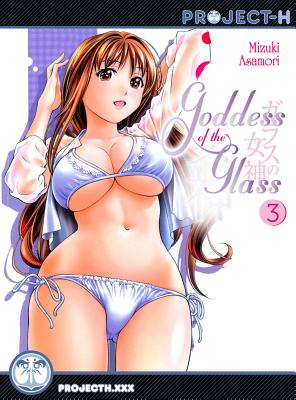
Japanese readers were first exposed to hentai manga comics in 1979 with Azuma Hideo’s Cybelle series, pioneered by him. His contributions led to changes in how Japanese pornographic comics were produced.
He introduced to the world manga characters that resembled cartoons more closely than real people, marking an important step in the development of hentai comics by shifting focus away from realistic depictions to more sensationalist representations and fantasies.
Since then, hentai has become part of our everyday lives – appearing regularly on Japanese television programs and readily available online.
Content like this can provide children with endless entertainment, yet also be potentially hazardous. When children become exposed to this media, it can lead them to develop unhealthy obsessions with it that lead to addiction or mental health issues later in life.
Finding safe manga titles for children may be challenging, particularly those still developing their understanding of what constitutes acceptable reading material. There are some key indicators when trying to decide what comics you should give to your kids.
Shojo Manga (young women manga) covers romance and emotions of young female protagonists up to age 18. Typically marketed towards girls aged 8-18.
Josei Manga
Josei manga are similar to shojo manga in terms of themes and style, yet often include more mature narratives that explore romantic or interpersonal relationships.
Though josei manga may contain sexually explicit scenes, they tend to be less salacious than their shojo counterparts.
They may also include more complex characters who don’t always depict women.
Anime Hype
Japan has long been home to an active anime industry, making anime an integral part of Japanese culture – and now beyond! Additionally, its influence has spread internationally as well.
Due to anime’s ability to reach wide audiences and grab children’s attention, many children enjoy watching anime in English; this allows them to become involved with its art and storylines more fully.
As with all media forms, anime and manga can present some negative aspects that could potentially harm children. Some examples include exploiting children for financial gain or oversexualizing characters to the point of drug promotion. Thankfully there are other options out there for children looking for quality comics without violent, sexual content.
